
Skillfully Utilizing Layered Lighting to Enhance Interior Design Style
Many people tend to overlook the crucial role of lighting when designing interiors. However, lighting is actually a key factor in transforming ordinary spaces into sophisticated venues. Creating layered lighting not only highlights distinctive areas of a room but also creates an pleasing atmosphere, like those seen in design magazines, making the space feel deeper, warmer, and more charming.
The proper combination of ceiling lights, accent lighting, and task lighting can give a space greater versatility, allowing each corner to showcase its unique value and narrative. Next, we will delve into the knowledge related to layered lighting, including its definition, core value, specific types, and practical applications in home settings.
I. What is Layered Lighting?
Layered lighting, also known as layered lighting, is an advanced interior lighting design strategy. It integrates multiple different types of light sources to enhance both the visual appeal and functionality of a space, creating a more layered and deep distribution of light in the room. It also better adapts to diverse activity needs, bringing a more comfortable living experience.
To create excellent layered lighting, advance planning and design are essential. For example, in the living room, ceiling lights can establish a warm and inviting atmosphere, track lighting can highlight architectural details or decorative paintings on the walls, and table lamps can be used to meet specific needs such as reading. The key is to cleverly use lighting to balance the practicality and aesthetics of the space—adjusting the light intensity allows for flexible switching of room functions, and a well-planned arrangement of multiple light sources can significantly enhance the overall quality of the home.
II. Why is a sense of layering in lighting so important?
The value of layered lighting extends beyond the visual aspect, possessing powerful practical functions and making it an indispensable element of interior design:
Enhancing Functionality: Adjustable light intensity caters to different activity needs, effectively eliminating glare and harsh shadows, reducing eye strain, and improving visibility and usability.
Creating Diverse Atmospheres: By controlling the position and brightness of light sources, a variety of atmospheres, from warm and tranquil to vibrant and energetic, can be created, adding creativity and ambiance to the home.
Highlighting Design Highlights: Precisely illuminating specific areas or design elements, such as furniture, artwork, and architectural features, makes the space more visually appealing and interesting.
Expanding Spatial Depth: Utilizing multiple light sources at different angles and heights makes a room appear more spacious and open, breaking away from monotony.
III. Core Lighting Types for Creating Layered Lighting To achieve ideal layered lighting, the following four core lighting types should be mastered and used in combination as needed:
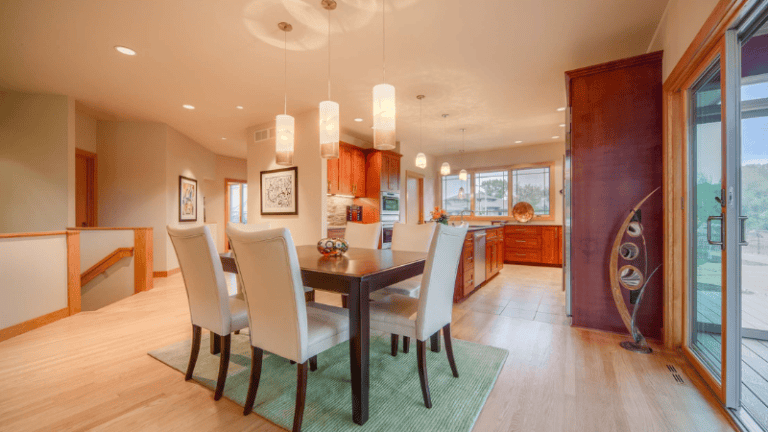
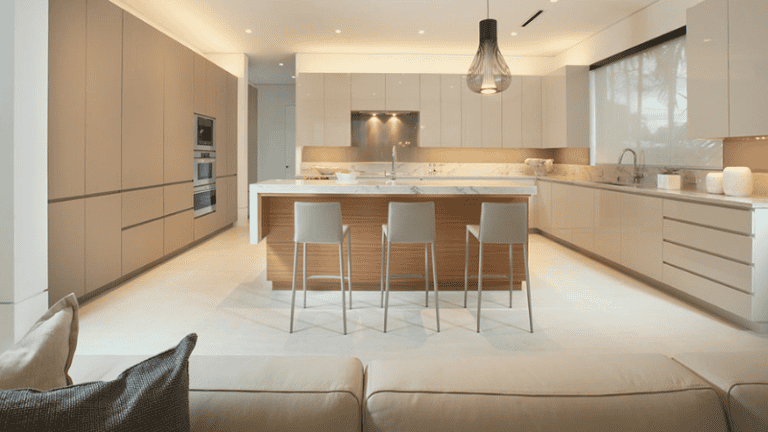
* **Ambient Lighting (Basic Layer):** As the foundation of layered lighting, it provides uniform overall brightness, ensuring safe passage within the space and creating a basic atmosphere. Common light sources include recessed downlights, ceiling lights, ceiling light strips, and natural light from windows. For example, LED downlights in the kitchen and centrally located pendant lights in the dining room provide balanced and comfortable basic lighting for the space.
**Work Lighting (Functional Layer):** This is a concentrated light source designed for activities requiring focus, such as reading, working, and cooking. It precisely illuminates specific work areas without interfering with ambient light, effectively reducing fatigue. Common types include under-cabinet lights, adjustable floor lamps, and table lamps, suitable for home offices, kitchen countertops, and bedroom reading corners. The direction and intensity of the light can be adjusted according to needs.
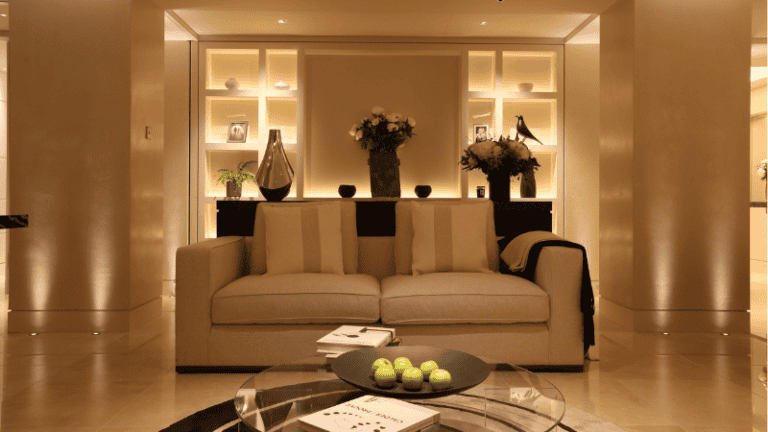
**Accent Lighting (Focus Layer):** This focuses on highlighting specific design elements or objects within the space, adding visual drama and depth. It is the "finishing touch" in a lighting scheme. Common light sources include wall lights, track lights, and wall-mounted directional lights. These are adjustable and can precisely focus on architectural details, artwork, and decorative items to create stunning visual effects.
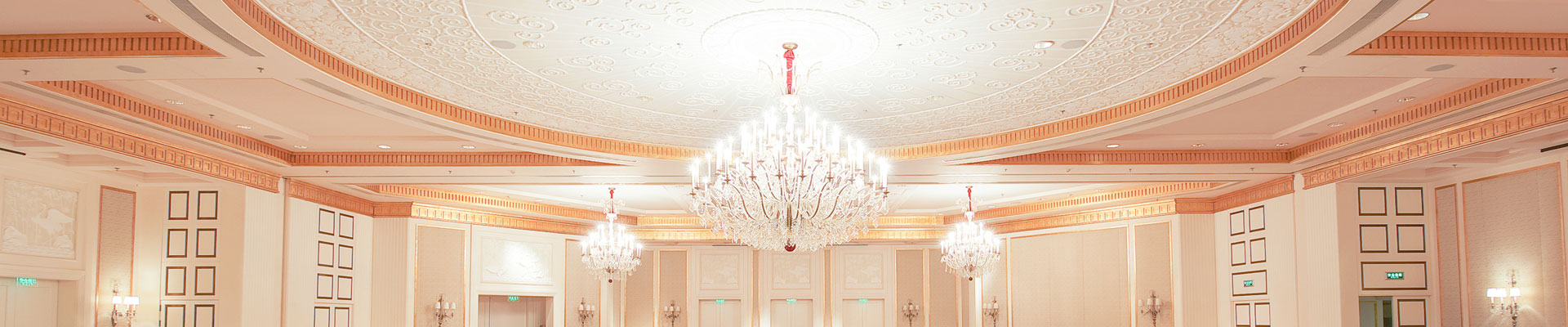
Decorative lighting (ambience layer): Combining decorative and illumination functions, these lights add personality and style to a space through their unique design. Common choices include string lights, stylish chandeliers, and vintage chandeliers, offering a wide variety of materials, sizes, and styles to match different home decor styles and enhance the overall sophistication.
IV. Four Layout Methods for Layered Lighting Mastering the following four layout logics will make the layering of lighting more design-oriented and harmonious:
* Vertical Layering: By combining light sources at different heights (such as floor lamps, pendant lights, and table lamps), guide the eye upwards and downwards within the space, adding depth and visual interest. The layout should be considered in relation to the size of the space: small rooms can use grand chandeliers to create a visual focal point; large living rooms require multiple sets of lights at different heights to avoid monotonous lighting.
* Horizontal Layering: Utilizing light sources of varying brightness and spacing (such as track lights, wall lights, and floor lamps) to project light onto walls and floors creates a visually expansive effect. Planning should be integrated with furniture placement. For example, track lighting above kitchen cabinets can illuminate the entire work area, while a floor lamp behind the sofa can create a comfortable relaxation corner.
Decorative Layering: Centered on stylish lighting fixtures, clever placement attracts attention and enhances the brightness and aesthetics of the space. The key to layout is the harmony between the lighting fixtures and the style of the space: a modern dining room can be paired with a minimalist artistic chandelier, while string lights wrapped around the headboard or windowsill in the bedroom can create a romantic atmosphere.
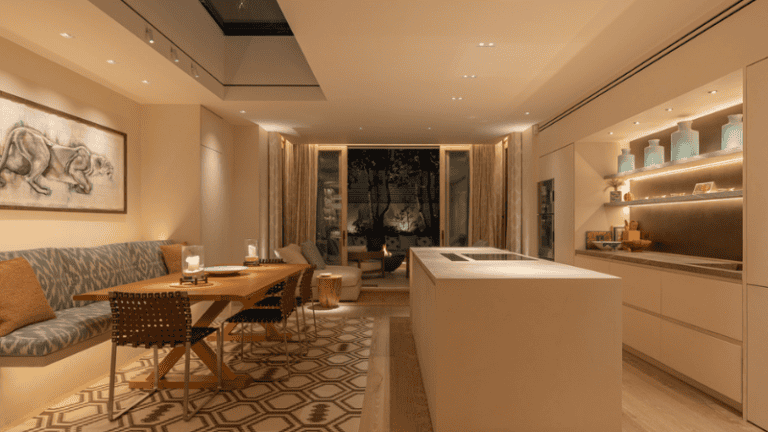
Depth Layering: Arranging light sources in the foreground, middle ground, and background areas of the space creates a progressive layering of light, resulting in a harmonious and unified visual effect with a sense of depth. Planning should consider the room's natural flow and visual focal points. For example, a table lamp on the side table next to the sofa (foreground), a ceiling light in the center of the living room (middle ground), and LED strips embedded in the TV wall (background) combine to enrich the spatial layers.
V. How to Upgrade Interior Design with Layered Lighting? To ensure lighting design truly enhances a space, follow these core principles:
**Precise Fixture Selection:** Choose fixtures that align with the space's functional needs and overall style, ensuring both practicality and aesthetics. For example, use simple ceiling lights for basic lighting, adjustable task lights for functional areas, and accent lighting for focal points, creating a harmonious interplay between the fixtures and the overall ambiance to strengthen the home's character.
**Customized Solutions by Area:** Different spaces have different usage scenarios, requiring targeted layered lighting design:
**Living Room:** Combine floor lamps, table lamps, and pendant lights to create a warm and interactive atmosphere.
**Bedroom:** Use ceiling lights, bedside wall lamps, and decorative string lights to cater to rest and pre-sleep reading needs, creating a tranquil ambiance.
**Kitchen:** Integrate recessed downlights, under-cabinet lighting strips, and pendant lights in the work area to ensure ample lighting during cooking while adding visual depth.
**Bathroom:** Use recessed lights for basic lighting, install wall lights next to the vanity mirror for grooming and makeup needs, and consider adding small pendant lights to enhance the decorative effect.
**Bathroom:** Use recessed lights for basic lighting, install wall lights next to the vanity mirror for washing and makeup needs, and consider adding small pendant lights to enhance the decorative feel. Make good use of natural light: Natural light is an important supplement to creating layered lighting. When planning, consider the layout of windows and skylights to maximize the introduction of natural light. Light intensity can be adjusted using sheer curtains, blinds, etc., allowing natural light and artificial light to complement each other, creating a more comfortable indoor lighting environment.
VI. Why choose LED lights for layered lighting?
LED lights are an ideal choice for layered indoor lighting due to their multiple advantages:
* **Rich color temperature selection:** From warm yellow to cool white, each option can be selected to suit different atmospheres.
* **High energy efficiency:** Long-term use saves on electricity bills, offering excellent value.
* **Long lifespan:** Up to 25,000 hours or more, reducing replacement frequency.
* **Diverse shapes, sizes, and designs:** Adaptable to various lighting fixtures and spatial styles.
* **Low heat generation:** Suitable for installation in enclosed spaces such as cabinets and wardrobes, ensuring greater safety.
* **Environmentally friendly:** Free of harmful chemicals, with excellent color rendering, accurately reproducing the colors of decorations and artworks, highlighting details and textures.
