

The color and brightness of lighting have a significant impact on the physical and mental health of pets. Compared to humans, pets have a more sensitive visual system. Harsh, flickering light can disrupt their sleep-wake cycles and potentially trigger anxiety. Optimizing indoor lighting is a crucial step in creating a comfortable home environment. The following expert suggestions can help you create a healthy and safe living space for your furry companion.
I. Why is indoor lighting so important for pets?
The impact of LED lights on pets is far greater than people imagine. Animals are much more sensitive to the color and flickering frequency of light than humans. Dim or frequently flickering LED lights can disrupt a pet's sleep-wake cycle and even affect their appetite and behavioral responses.
A suitable lighting environment has a positive effect on both the physical and psychological health of pets. Overly bright, glaring LED lights can increase stress in pets, making them irritable and restless; while moderate, soft blue light in a daytime environment helps maintain a pet's normal circadian rhythm.
Therefore, to create a safe, calm, and stress-free living space for your pet, choosing light bulbs with appropriate color temperature and brightness, and installing them scientifically, is crucial.
II. Are LED lights safe for pets?
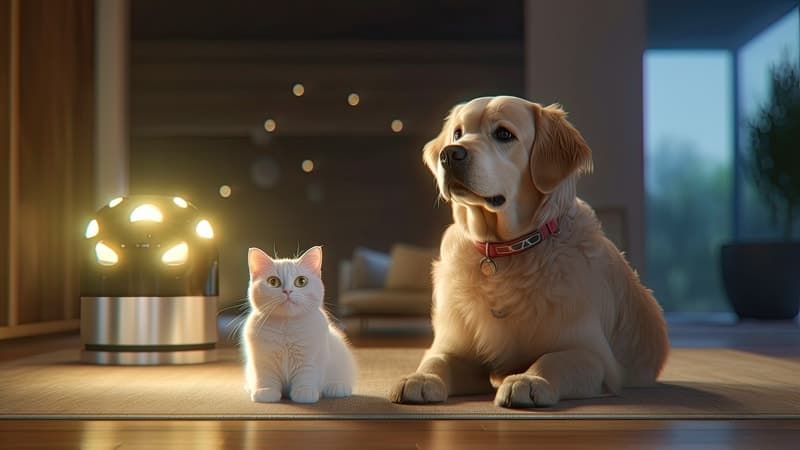
The answer is yes, LED lights themselves are completely safe for pets. However, the color temperature, brightness, and direction of the light can have positive or negative effects on pets. Following these suggestions will help you create a better lighting environment:
Avoid using high-intensity LED lights to prevent direct light from shining into your pet's eyes;
Absolutely avoid flickering lights or any type of flashing light, as these can easily cause discomfort and stress in pets;
Prioritize warm-toned, adjustable-brightness LED lights to better suit your pet's daily routine;
Install the lights at a higher position to avoid strong light directly stimulating your pet's sensitive eyes.
III. For Cats and Dogs: The Most Suitable LED Light Colors
The world as seen by pets is completely different from that of humans, and cats and dogs have different visual preferences. Cats are more sensitive to the flickering frequency and color saturation of light, while dogs are more easily affected by the brightness and dynamic changes of light. Therefore, choosing reputable, high-quality LED lights from reputable brands is crucial for creating a soothing living environment for your pet.
1. Cats Prefer: Soft, Cool-Toned Light
Cats are more comfortable with soft, cool-toned light. Bright or flickering LED lights can overstimulate their nerves, especially in their resting and play areas. Fluorescent lights should also be avoided in pet resting areas.
Soft blue or green LED lights can help calm cats and keep them peaceful. Daylight white LED lights with a color temperature of 5000K-6500K simulate natural light and are ideal for cats during the day.
It is extremely important to avoid using strong red light or flickering LED lights for cats. Strong red light can disrupt a cat's circadian rhythm and induce anxiety; flickering light can not only cause seizures but also make them overly excited at night, severely affecting their sleep.
2. A Soothing Choice for Dogs: Warm, Soft Light
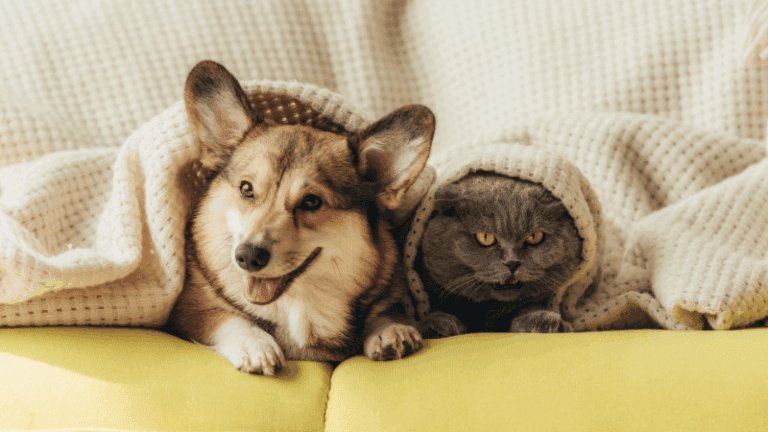
Dogs' eyes are more receptive to warm white and natural sunlight-colored light. Warm white light and soft yellow tones can make dogs feel safe and relaxed; pale blue tones can simulate natural sunlight, helping dogs maintain normal physiological rhythms and stay moderately alert.
In a dog's resting area, avoid cool white light (3000K-5000K) and bright blue LED lights, as these can interfere with a dog's sleep and even cause anxiety. During thunderstorms or when a dog is stressed, turning on soft yellow or amber LED lights can effectively soothe their emotions. In addition, soft purple and blue light can also help calm a dog.
IV. Will Red Light Harm a Cat's Eyes?
Many pet owners have this question: Will red light harm a cat's eyes? Actually, cats have relatively low sensitivity to red light, and under normal circumstances, red light will not directly harm their eyes. However, there are a few key points to note before using red light bulbs:
Avoid exposing your cat to strong red light for extended periods;
Never use a high-powered red laser pointer, and never shine the laser directly into your cat's eyes;
Never use red strobe lights or rapidly flashing lights in your pet's activity area;
If you must use red LED lights, choose models with adjustable brightness and strictly control the exposure time.
While cats can see some red, their visual system is not suited to prolonged exposure to strong, highly saturated red light. Everything in moderation. If your cat chooses to stay in a dimly lit corner, don't interfere; respect their nature.
V. Optimizing Your Pet's Home Environment: Practical Lighting Tips
Insufficient light can cause eye fatigue and discomfort in pets, while proper lighting can significantly improve their comfort and mood. It's important to avoid fluorescent bulbs, as they emit ultraviolet rays, which can damage a pet's eyes and skin with prolonged and excessive exposure.
With these research-proven lighting strategies, you can create a more comfortable home for your furry friend. 1. Utilize Dimmable LED Bulbs
The advantage of dimmable LED bulbs is their ability to adjust brightness according to different needs at different times. In a pet's resting area, using warm white LED lights (avoid fluorescent lights) with a color temperature between 2700K and 3000K can create a tranquil atmosphere, helping pets fall asleep more easily.
Cool white LED lights with a color temperature between 5000K and 6000K have a higher color rendering index, realistically simulating natural sunlight, making them suitable for use during daytime playtime to keep pets active.
2. Set Automatic Lighting Timers
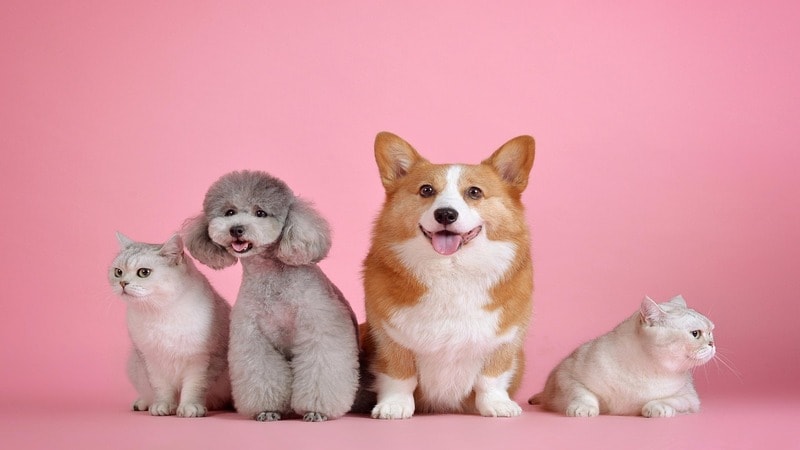
Pets that spend long periods indoors need regular light cycles. Installing automatic lighting timers to simulate the natural light changes of sunrise and sunset can help pets regulate their circadian rhythms and effectively reduce behavioral stress caused by monotonous environments.
3. Install Nightlights for Senior Pets
Senior pets or pets with visual impairments are easily disoriented in complete darkness. Soft lighting will make them feel safer. 4. Avoid Flickering and Flashing Lights
Avoid LED lights with flickering or flashing patterns in pet activity areas. These lights overstimulate a pet's senses, easily causing anxiety in cats, small dogs, or already stressed pets, and may even lead to disorientation. Choose full-spectrum bulbs, which provide light closer to natural light and are more suitable for a pet's visual needs.
5. Use Indirect Lighting in Resting Areas
Direct light can tire a pet's eyes and severely affect their rest quality. In pet resting areas, choose anti-glare LED lights with shades, or project the light onto walls or ceilings for reflection, softening the light in the resting area through indirect lighting.
6. Elevate Light Fixtures
Pets feel more comfortable when the light is not shining directly into their eyes. Installing LED lights on the ceiling or in a high position allows for even light diffusion, avoiding glare and visual discomfort, allowing pets to eat, play, and rest peacefully.
VI. Smart Lighting Solutions for Pet Owners
Smart LED bulbs allow for more precise control over the lighting atmosphere in your home. Personalized lighting modes based on your pet's sleep patterns and mood greatly enhance their comfort.
1. Set Automatic Lighting Schedules
Utilize the timer function of smart lighting to set automatic on/off, brightness adjustment, and color temperature switching. Simulate the natural rhythms of sunrise and sunset to create a stable and soothing circadian rhythm for your indoor pets, reducing stress responses from environmental changes.
2. Maintain Complete Darkness Before Bedtime
Cats and dogs sleep better in complete darkness. Artificial light at night suppresses melatonin secretion, disrupting their sleep-wake cycle. Therefore, turn off all main light sources before bedtime to help your pets get healthier and more restful sleep.
3. Enhance Comfort with Dimming Functions
Smart dimmable LED bulbs can fine-tune the light intensity according to different scenarios. Dim the lights when your pet is resting, and brighten them when feeding or playing to create a more comfortable environment tailored to your pet's needs.
4. Create Custom Lighting Scenes
Smart LED lights support multiple preset lighting "scenes," such as "calm mode," "play mode," and "bedtime mode." These can be switched with a single click via a mobile app or voice command, making operation convenient and thoughtful.
Smart lights from brands like Philips Hue, LIFX, and Govee come with accompanying apps that support comprehensive lighting control. Some platforms even feature specially designed pet-friendly lighting presets aimed at reducing pet stress and helping them maintain their natural circadian rhythms.
VII. Pet-Friendly Lighting Creative Solutions
Customized lighting solutions can be tailored to the different needs of cats, dogs, and senior pets to better meet their lifestyle habits.
1. Cat-Friendly Lighting Solution
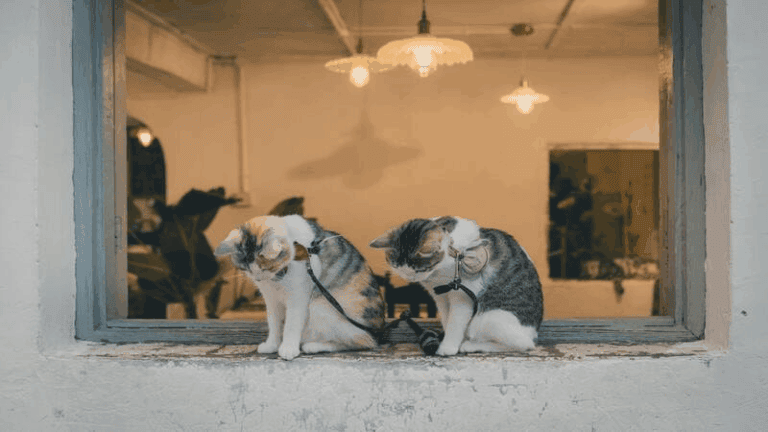
In active areas, use daylight white LED lights with a color temperature of 5000K-6000K to simulate natural light and stimulate their playfulness. In resting areas, use soft blue or green LED lights to help calm them.
Light-sensitive cats prefer deep sleep in complete darkness. You can provide them with dimmable warm white lights (2700K-3000K). Avoid short-wavelength light (such as blue light), as this can disrupt their sleep; also avoid glaring or flickering lights to prevent eye strain.
2. Dog-Friendly Lighting Solution
Warm yellow or soft amber LED lights can help dogs relax and fall asleep faster. When installing lights, pay attention to the angle to avoid direct light into their eyes, which can cause visual fatigue.
Understanding the characteristics of LED lights, use low-brightness, soft blue or neutral white lights in your dog's resting area to make them feel safer. During thunderstorms, a simple switch to the preset "Thunderstorm Soothing Mode" provides warm, soft lighting, effectively relieving your dog's anxiety and stress. While dogs are less sensitive to light than cats, a stable, soft lighting environment can still significantly improve their comfort.
3. Senior Pet-Friendly Lighting Solution: Install nightlights with motion sensors for senior pets. These lights automatically illuminate when they get up and move around at night, ensuring their safety and reducing nighttime anxiety. Choose frosted LED bulbs or diffusers to minimize glare.
Set an automatic lighting schedule to avoid sudden on/off cycles and prevent confusion caused by sudden environmental changes in senior pets. A stable, soft lighting environment is especially important for the physical and mental health of senior pets.
