
Plastic Recycling: Giving Waste a New Life
I. What is Recycled Plastic?
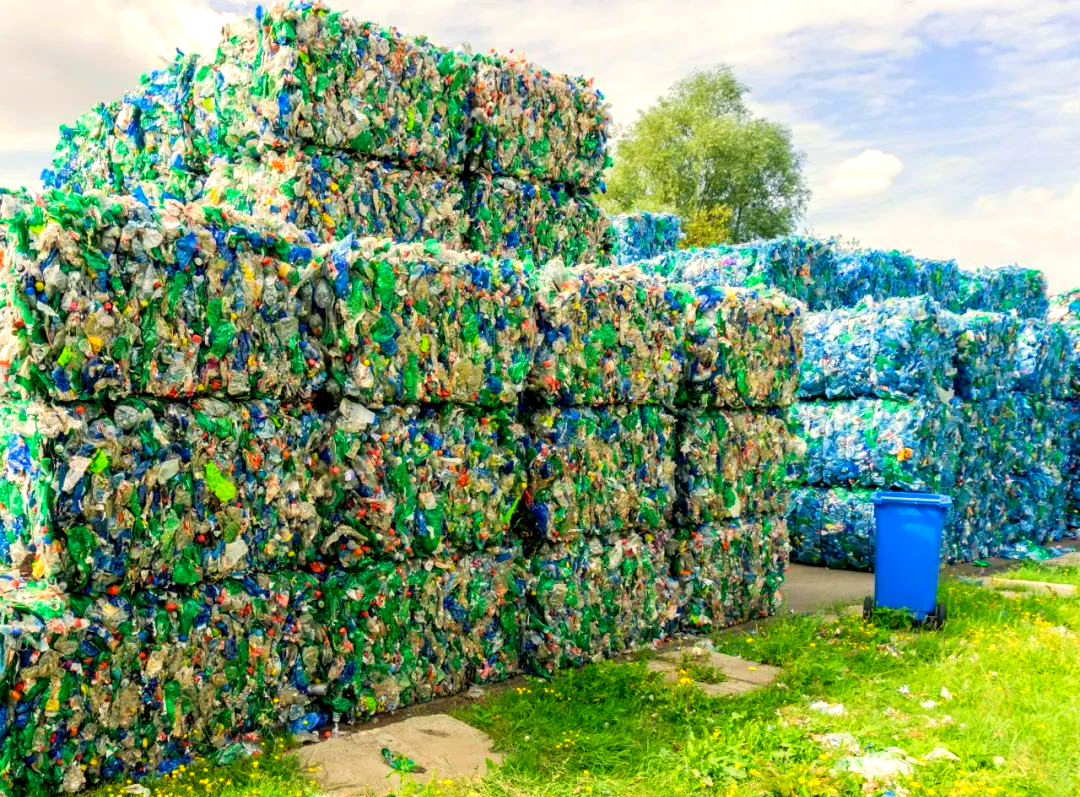
Recycled plastic is essentially material reborn from plastic waste through professional processing. This type of waste plastic no longer faces the fate of being landfilled or flowing into the ocean causing pollution. Instead, through a series of processes including systematic collection, meticulous sorting, and thorough cleaning, it is ultimately transformed into new raw materials that can be used for production, and then used to manufacture various new products. This complete process not only effectively reduces the total amount of plastic waste but also reduces dependence on and consumption of natural resources such as petroleum.
II. Main Methods of Plastic Recycling
Plastic recycling is mainly divided into the following three categories based on different technical principles:
Mechanical Recycling: This is a more common recycling method. Plastic waste is crushed and melted into granular raw materials, which can be reused to produce various plastic products.
Chemical Recycling: This method uses chemical means to decompose plastic into basic chemical components, and then uses these components as raw materials to resynthesize high-quality plastics, effectively improving the utilization value of recycled plastics.
Energy Recovery: This method involves incinerating plastic waste, using the heat generated during incineration to convert it into energy. However, this method only recovers energy and cannot achieve the recycling of plastic materials. III. The Importance of Plastic Recycling Recycling plastics has irreplaceable value for the environment, resources, and economic development, mainly reflected in the following aspects:
✅ Protecting the ecological environment: Reducing pollution of soil, water sources, and air caused by plastic waste, and lessening damage to the living environment of animals and plants.
✅ Conserving natural resources: The production of new plastics mainly relies on crude oil; recycling plastics can significantly reduce the consumption of non-renewable resources such as crude oil.
✅ Reducing carbon emissions: Compared to producing new plastics, the production process of recycled plastics consumes less energy, thereby reducing emissions of greenhouse gases such as carbon dioxide and helping to address climate change.
✅ Promoting a circular economy: Extending the lifespan of plastic materials, forming a "waste-recycling-reuse" circular model, and promoting sustainable economic development.
IV. Real Challenges Facing Plastic Recycling The development of the plastic recycling industry is not without obstacles and currently faces many challenges:
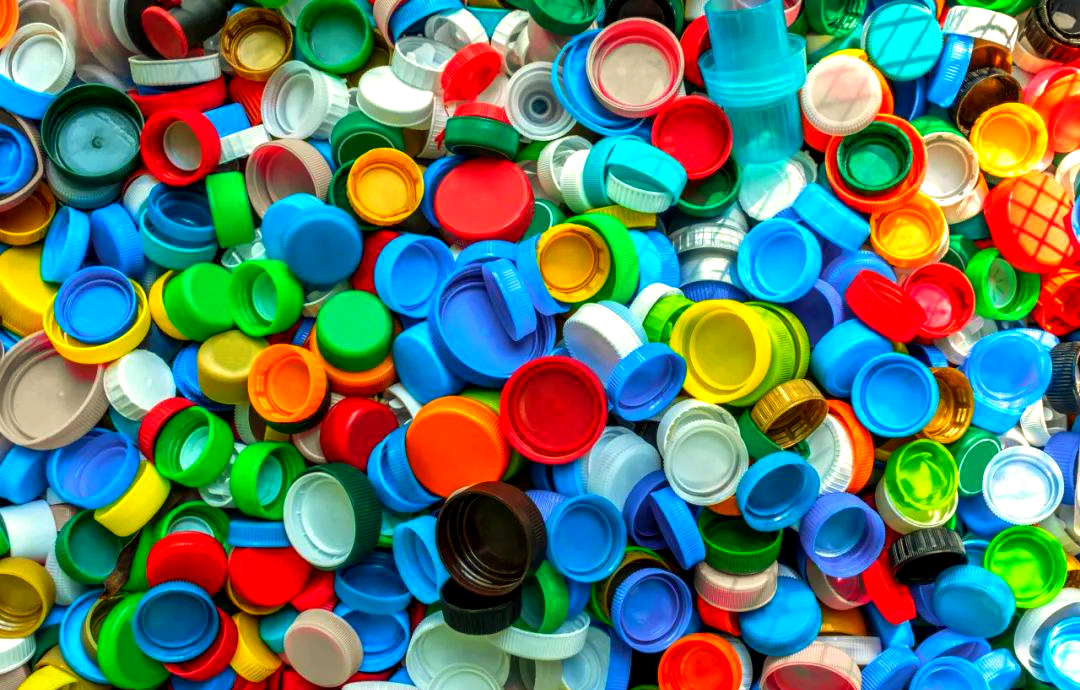
Complex types of plastics: Different types of plastics have significantly different chemical and physical properties, and in most cases, they cannot be mixed for recycling, increasing the difficulty and cost of recycling and sorting. **Waste Pollution:** Plastic waste often contains food scraps, labels, impurities, etc. These pollutants affect recycling efficiency and the quality of recycled plastics, causing inconvenience to recycling and processing.
**High Recycling Costs:** The collection, sorting, cleaning, and processing of plastics require significant manpower, material resources, and financial investment. In some cases, the cost of recycling is even higher than producing new plastics.
**Material Performance Degradation:** After multiple recycling and processing cycles, the strength, toughness, and other physical properties of some plastics gradually decline, limiting their application in high-end products.
**V. How Can Individuals Contribute to Plastic Recycling?**
Plastic recycling requires everyone's participation. We can support the development of the recycling industry through the following specific actions:
🔹 Standardized Waste Sorting: In daily life, separate plastic waste from other waste and accurately place it in the corresponding recycling containers to ensure effective collection.
🔹 Practicing Rational Consumption: When purchasing goods, prioritize products with recyclable packaging to reduce the use of single-use plastic products and reduce plastic waste generation at the source. 🔹 Spread environmental knowledge: Proactively learn about plastic recycling and promote the importance of rational consumption and recycling to those around you, raising public awareness of environmental protection.
🔹 Participate in environmental practices: Actively participate in community or non-profit clean-up activities, special plastic waste collection programs, and other environmental initiatives to reduce plastic pollution through practical actions.