

Due to the explosive growth in memory demand for AI servers, a shortage of AI memory chips has emerged. Prices for DRAM and NAND have surged by as much as 70%. While this memory shortage will not directly constrain basic lighting components (LEDs, drivers, optics), it may slow the supply of "smart" and connected lighting products—which rely on general-purpose DRAM/NAND and embedded computing—and drive up costs.
**What’s Happening in the Memory Market**
AI data centers are consuming a significant portion of global memory capacity; estimates suggest that the majority of newly added DRAM capacity is being reallocated to High Bandwidth Memory (HBM) for AI accelerators. Major suppliers are diverting general-purpose DRAM/NAND wafer capacity—originally intended for PCs, mobile phones, and other electronics—toward more profitable AI memory products. This shift is resulting in persistent memory shortages and rising prices in non-AI sectors. Industry and economic analysts predict that tight memory supply and elevated prices will persist through 2027–2028, implying a structural increase in the cost base for products that utilize memory.
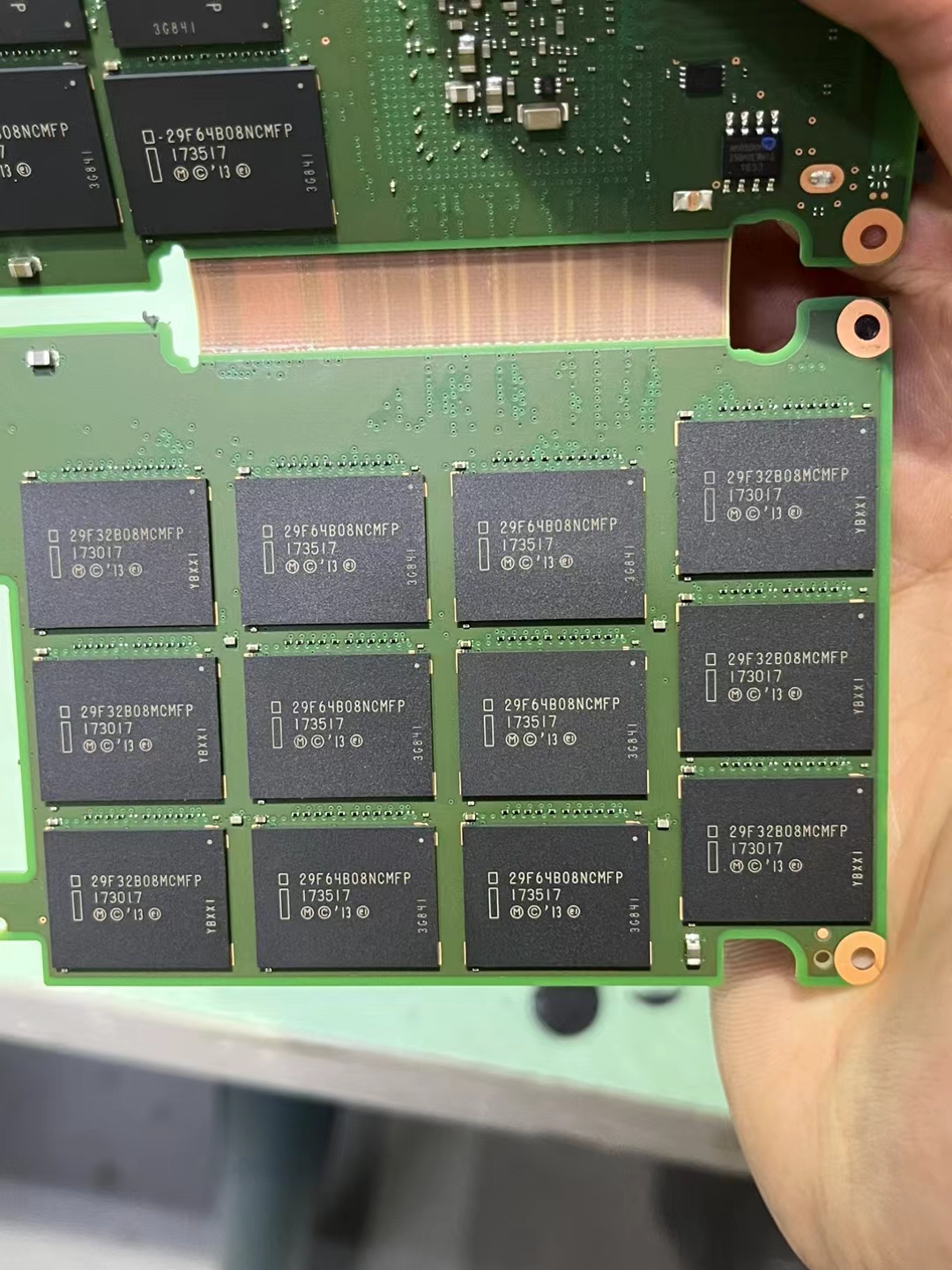
**Direct Impact on Lighting Electronics**
For the lighting industry, these impacts are largely secondary, primarily affecting controllers, gateways, and edge devices rather than the light fixtures themselves. Smart fixtures, sensors, and gateways that utilize microcontrollers, embedded modules, or Systems-on-Module (SOMs) featuring DRAM/NAND flash memory will face pressure on their Bills of Materials (BOMs) and run the risk of extended lead times—a situation mirroring that of other non-AI electronic products. Manufacturers of control devices that share supply chains with consumer electronics or IT OEMs (e.g., Wi-Fi/BLE/Zigbee modules with integrated RAM/flash) may encounter memory allocation issues or be forced to redesign their products to accommodate alternative memory densities or pin-compatible substitutes. Edge AI lighting products—such as those enabling occupancy analytics, camera-based people counting, and vision-based adaptive roadway lighting—are particularly vulnerable, as they require greater memory capacity per node while memory resources become increasingly scarce and expensive.
**Potential Business Impacts for Lighting Companies**
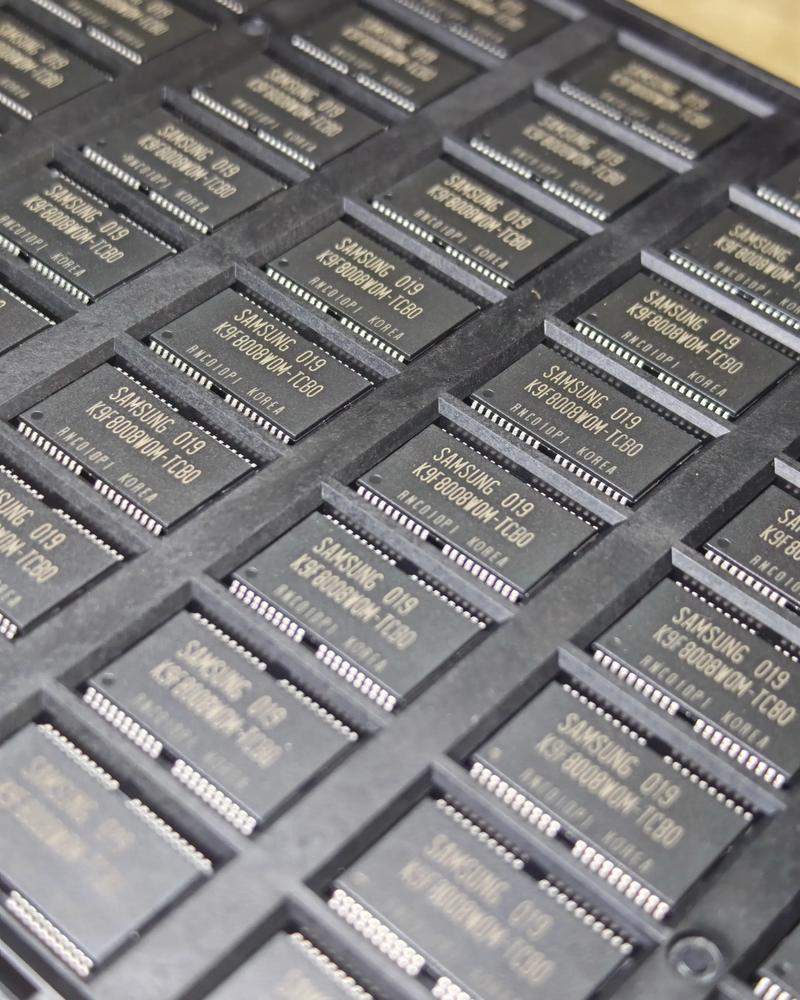
**Higher Hardware Costs:** Component costs for control nodes, smart drivers, and gateways are likely to rise. This will either squeeze profit margins or drive up the overall system price for smart lighting projects. Product Tiering and "Downgrading": Just as PC OEMs sometimes reduce RAM capacity to hit specific price points, control manufacturers may freeze or downgrade memory configurations, thereby limiting firmware capabilities or on-device analytics capacity for lower-cost SKUs.
Delays in Advanced System Projects: If the memory within the embedded computing systems or industrial PCs used in large-scale lighting control backbones becomes a bottleneck, the deployment of complex smart building or smart city lighting projects could face extended lead times.
Competitive Differentiation: Companies that focus more heavily on "Artificial Intelligence"—offering analytics, digital twins, and vision-based controls—will be more susceptible to fluctuations in memory pricing and availability than those selling simpler sensor-driven or schedule-based systems.
Net Impact on the Lighting Market
Traditional LED luminaires and simple control systems are expected to experience minimal impact, as their reliance on high-density external memory is significantly lower than that of other product categories. Conversely, the segment of smart, AI-enabled, and highly connected lighting products may face higher unit costs, more constrained specifications for compute- and memory-intensive components, and delays in the rollout of cutting-edge features over the next 2 to 3 years.
