

How to Choose the Perfect Chandelier
Whether you want to add a touch of glamour to your entryway, create the perfect ambiance for a formal dining room, or simply add character to any room in your home, a chandelier is a classic choice that makes a lasting impression. Chandeliers allow you to showcase your personal style in a beautiful and functional way!
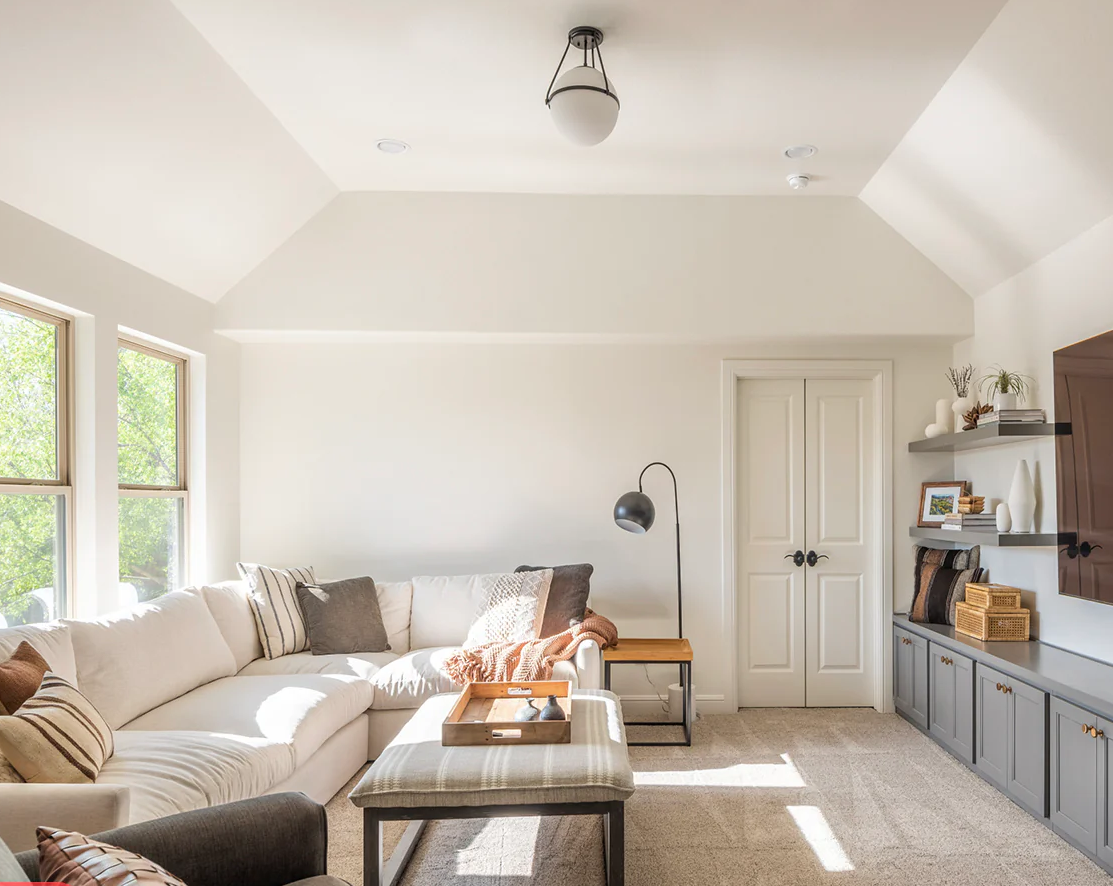
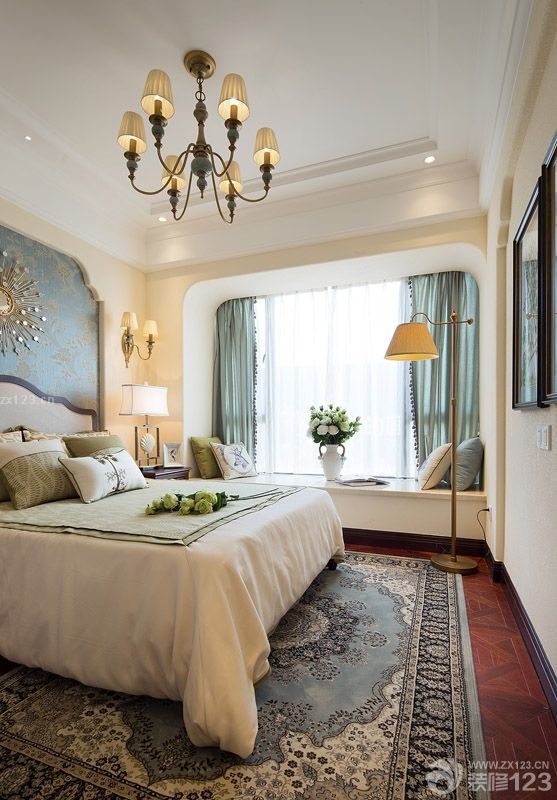
This master bedroom chandelier features a tray-style ceiling design, providing overall ambient lighting.
Today's modern, contemporary, and transitional styles offer an increasingly rich selection of lighting designs. Beyond style and materials, there are many other factors to consider when choosing the ideal chandelier, such as size, light output, light source type, dimming functionality, and more.
To help you narrow down your choices, here are answers to some of the most frequently asked questions related to buying a chandelier.
What should I look for when searching for the perfect chandelier?
Besides personal style, there are three main factors to consider when choosing the right chandelier: size/proportion, light direction (glare or flicker), and control method (dimming).
Choosing a chandelier that is too large or too small will make a space appear disproportionate. For example, a 30-inch chandelier hanging in the center of an 8-foot-high room will appear very low and out of place—not to mention the safety hazard for people taller than 5 feet! A chandelier that's too small will also look out of place. Therefore, if you're unsure, it's best to choose a slightly larger size, as a chandelier is the focal point of a space.
Use the following "rule of thumb" to determine the size of your chandelier so it becomes the visual focus of the room.
Measure the length and width of your room in feet.
Add these two numbers together.
The sum of these two numbers should be the minimum diameter (in inches) of your chandelier.
This is just a guideline, but it does provide a starting point.
You also need to ensure that the light emitted by the fixture doesn't cause excessive glare. Nothing is worse than sitting at the dining table with your eyes glared by a blinding bulb. What is the direction of the light? Are the bulbs concealed or exposed? In my opinion, every chandelier should have a dimmer to control the light intensity. If you are using LED bulbs, you will need to consult an electrician to ensure your dimmer is compatible with LED bulbs!
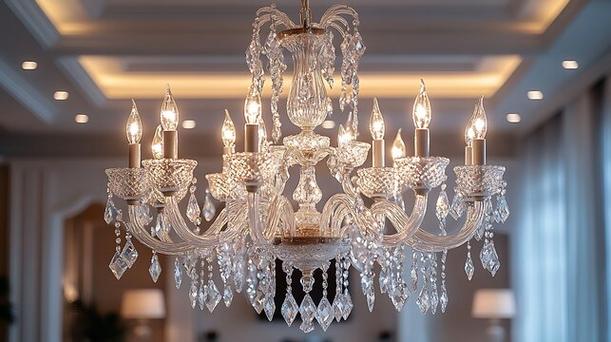
Looking for a modern pendant light?
If you prefer a modern style and design, consider nickel or chrome finishes. Alternatively, the currently popular brushed brass finish goes perfectly with almost any décor. Bronze finishes are often found in transitional style fixtures that blend traditional and modern design elements. Modern designs often feature clean lines and geometric elements.
Do all my finishes need to "match"?
The finish and material of a pendant light should coordinate with other finishes in the space, but they don't necessarily have to be exactly the same. When choosing matching fixtures, I recommend choosing one element to keep consistent. For example, the finish can be the same, but the shape can be different, or vice versa.
What size pendant light should I install in my dining room?
The size of a pendant light depends on its diameter and height. The number of bulbs also affects the size. Common dining room pendant lights today typically have four to six bulbs with a diameter of 26-30 inches.
Be sure to consider the ceiling height and pendant light height before purchasing. The height of the chandelier's base from the top of the dining table should be approximately 30 inches (about 76 cm). (If the ceiling height exceeds 9 feet, 36 inches (about 91 cm) is more suitable). The size of the dining table is also an important factor to consider!
Don't be afraid to think outside the box. Often, when a client's layout is flexible and the dining table isn't in the exact center of the room, I choose a semi-ceiling-mounted light fixture. This creates a suitable visual effect and atmosphere without having to be directly above the table!
 Is my chandelier bright enough to illuminate the entire room? How much light do I actually need from my chandelier?
Chandeliers are decorative lighting fixtures designed to create style and ambiance, so don't expect them to be the main light source in a room. This is one of the easiest mistakes to make when using chandeliers. Placing a chandelier in the center of the room and expecting it to illuminate the entire space is destined to result in poor lighting. Remember, the best way to illuminate a room is to combine different levels and intensities of light!
Chandeliers are best used as supplementary light sources, and their effect is even better when integrated into multi-tiered lighting schemes.
Can I use a chandelier in any room other than the dining room?
Yes, they can be installed almost anywhere in the house. The installation location of a chandelier depends on the size of the room, the ceiling height, the size of the fixture, and the surrounding decor. As long as the ceiling height allows, they can be installed anywhere! The good news is that most manufacturers have started offering semi-ceiling-mounted fixtures, which are the same width as large chandeliers and have no height restrictions. Keep looking… you'll always find the right one!
Are there any other factors to consider when choosing a chandelier?
Sometimes, choosing something unexpected, rather than blindly pursuing a "safe" style, is better. I recommend choosing a slightly wider fixture, as long as it doesn't hang too low. Make sure it's something you like and that you can enjoy for a long time.
