
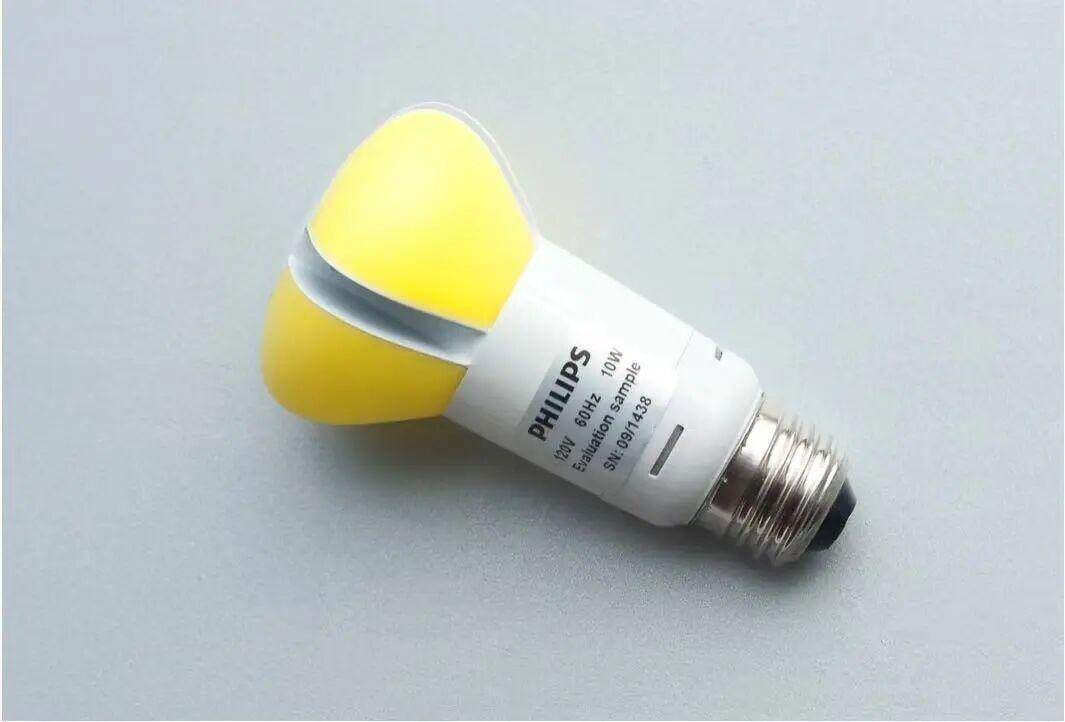
Recently, Time magazine announced its "Best Inventions Hall of Fame," recognizing the 25 most iconic inventions featured in the magazine over the past 25 years. Philips Lighting's LED bulb, launched in 2009, was among the honorees.
The Philips LED bulb, with its high energy efficiency and durability, replaced the incandescent bulb of its time. It not only led a global lighting revolution with its innovative technology but also redefined the industry's direction towards energy conservation and sustainable development.
From a revolution in a single light bulb to a transformation in the energy landscape
In 2009, Philips Lighting became the first lighting company to participate in the U.S. Department of Energy's technology competition, which aimed to encourage lighting companies to develop a high-quality, energy-efficient LED bulb that could replace a 60-watt incandescent bulb with a 10-watt bulb.
Philips Lighting won a $10 million prize from the U.S. Department of Energy for its outstanding performance. The advent of this light bulb marks the beginning of a new era of high-efficiency and energy-saving lighting for the industry.
As Time magazine reported, "With the touch of a switch, Philips LED bulbs have significantly reduced electricity bills in the United States." Philips LED bulbs consume less than 10 watts of energy, yet provide the same brightness as a 60-watt incandescent bulb; their lifespan is up to 25,000 hours, 25 times that of traditional bulbs.
Fifteen Years of Innovation, Leading the World in Sustainable Lighting
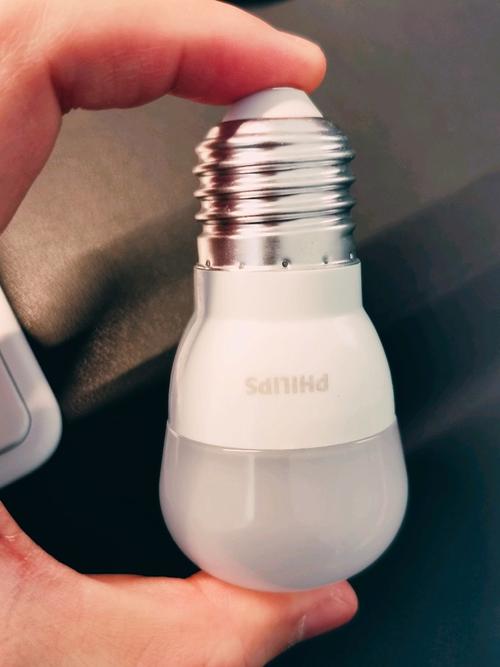
For fifteen years, Philips Lighting has continuously broken through technological barriers with its relentless innovation in LED lighting. Today, LED light sources have become the standard light source in the United States and globally. Their low energy consumption, long lifespan, and recyclability make energy conservation a reality for sustainable development.
They are used in city streets, homes, office buildings, and even sports stadiums, collectively creating a greener and smarter lighting network. Philips LED bulbs are not only a product innovation, but also a technological force driving global energy transition and carbon reduction.
From 2015 to the end of 2020, Philips Lighting delivered a total of 2.923 billion LED products, reducing CO2 emissions by nearly 73 million tons.
As a global lighting leader, since the world-changing light bulb of 2009, Philips Lighting has consistently adhered to the principle of "Innovation for a Better Lighting Experience," continuously driving the intelligent and sustainable transformation of lighting technology.
Today, Philips Lighting is steadily progressing towards its "Net Zero 2040" climate transition goals. In the future, Philips Lighting will continue to innovate, driving the continuous evolution of energy-saving and sustainable lighting technologies, contributing the power of light to China's sustainable development, and jointly building a greener, more sustainable future.