

Lucifer Lighting, a Texas-based family-owned lighting brand, has achieved a breakthrough in the large-scale commercialization of marine waste plastics, successfully creating the new environmentally friendly Atomos Renew lighting fixture. The brand has comprehensively upgraded its classic Atomos downlight series, recycling and melting down marine waste plastics such as fishing lines and nets to replace traditional virgin plastics in the injection molding production of all plastic components of the fixture. This makes Lucifer Lighting the first brand in the industry to mass-produce architectural lighting products made from recycled marine plastics.
According to Roselyn Mathews, Chief Operating Officer of Lucifer Lighting, the Atomos Renew is also the first architectural downlight in the United States to use recycled fishing nets as its core raw material. The fixture is compatible with both 1-inch and 2-inch aperture sizes, maintaining the series' minimalist and understated design, making it highly adaptable and suitable for a wide range of indoor and outdoor architectural lighting applications, including private residences and large commercial buildings.
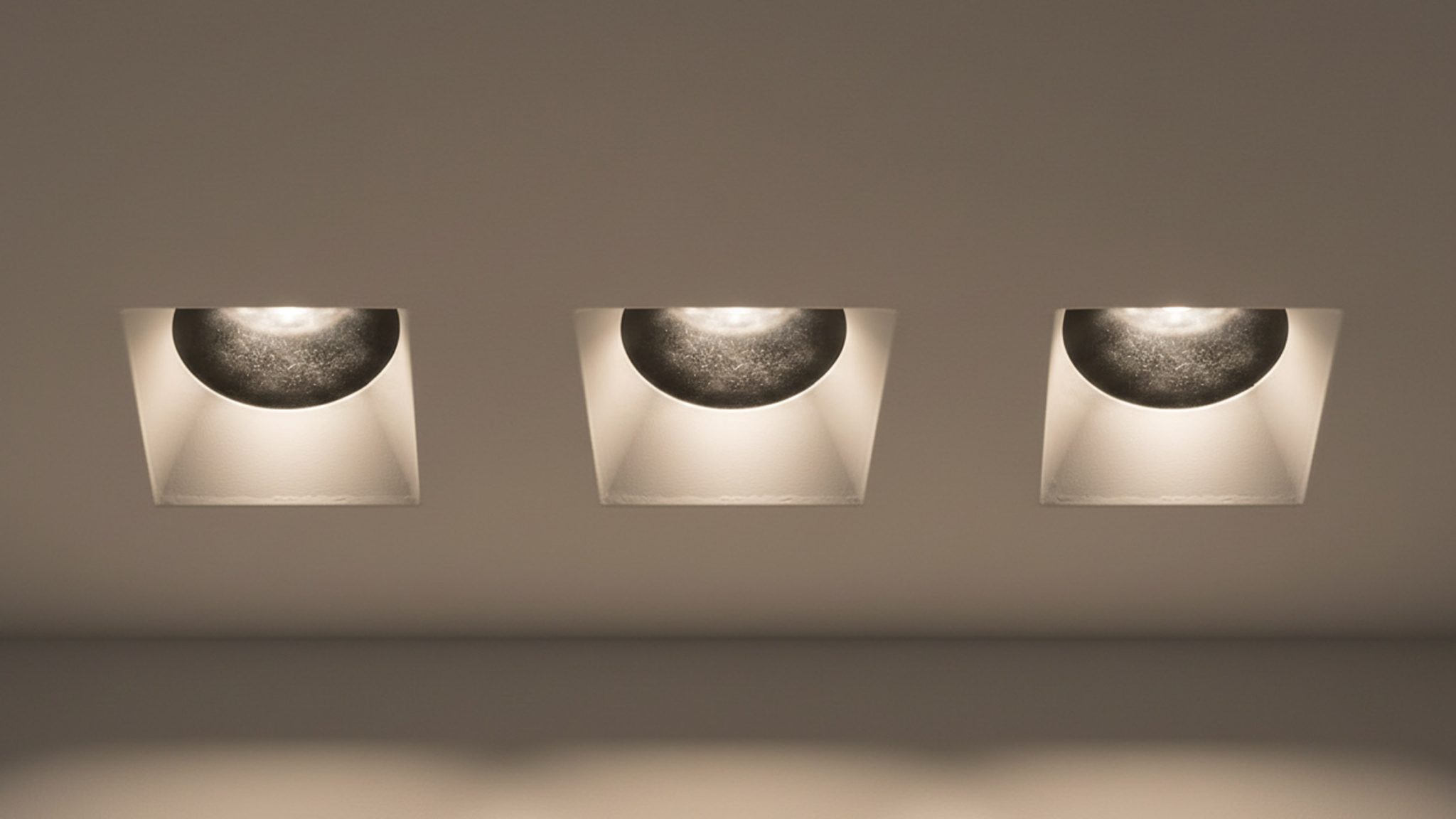
As environmental sustainability becomes increasingly popular, many design studios are exploring innovative applications of recycled materials. However, issues such as material stability, mass production difficulties, and quality control standards remain key barriers to large-scale implementation in the industry. Lucifer Lighting's breakthrough provides a mature model for the commercialization of environmentally friendly materials.
This innovation was not without cost. To implement a mass production plan using recycled ocean plastics, the brand voluntarily sacrificed some revenue and profit. Mathews frankly stated that although profit margins were somewhat reduced, the social value of restoring marine ecosystems and practicing sustainable development, as well as the brand's commitment to environmental protection, far outweighed short-term economic losses. This is the core reason why the brand persisted in upgrading its production processes.
The development of this environmentally friendly lamp involved overcoming numerous technical and process challenges. Compared to virgin plastic raw materials with stable parameters, easy control, and precise precision, processing recycled ocean plastics is extremely difficult. The brand not only faced the challenge of procuring stable, high-quality marine plastic raw materials but also had to overcome the technical bottlenecks of inconsistent recycled material quality and compatibility with injection molding processes. In the early stages of development, the team encountered a particularly interesting yet challenging problem: the first batch of trial-produced lamps had a faint fishy smell from the sea, becoming a major unexpected challenge during product optimization.
After a long period of technical breakthroughs and process adjustments, Lucifer Lighting has finally established a complete production chain for recycled marine plastics, successfully achieving standardized mass production on its assembly line. It is understood that the brand has been deeply involved in the research and development of environmentally friendly materials for many years, continuously screening suitable recycled marine raw materials for mass production. Due to commercial confidentiality requirements, information on raw material suppliers has not yet been disclosed.
According to the current production plan, in the first year after the product officially goes into production, the brand will cumulatively recycle and reuse 1,085 pounds of discarded fishing nets and 2.7 million feet of waste fishing line, removing a large amount of marine plastic waste from the marine ecological cycle and effectively alleviating marine pollution pressure. Functionally, Atomos Renew maintains the high-quality performance of high-end commercial lighting fixtures, equipped with a dimmable LED light source that supports beam angle adjustment, balancing practicality and energy efficiency.
In fact, the recycling of marine plastic waste has become a hot trend in the design and manufacturing fields. Currently, it is mostly used only for experimental prototype creation, and large-scale mass production cases are extremely rare. Lucifer Lighting's successful practice breaks the industry's inherent perception that recycled marine materials are "difficult to commercialize and cannot be mass-produced," and is expected to encourage more brands to enter the field of environmentally friendly material innovation, promoting the industry's green transformation.
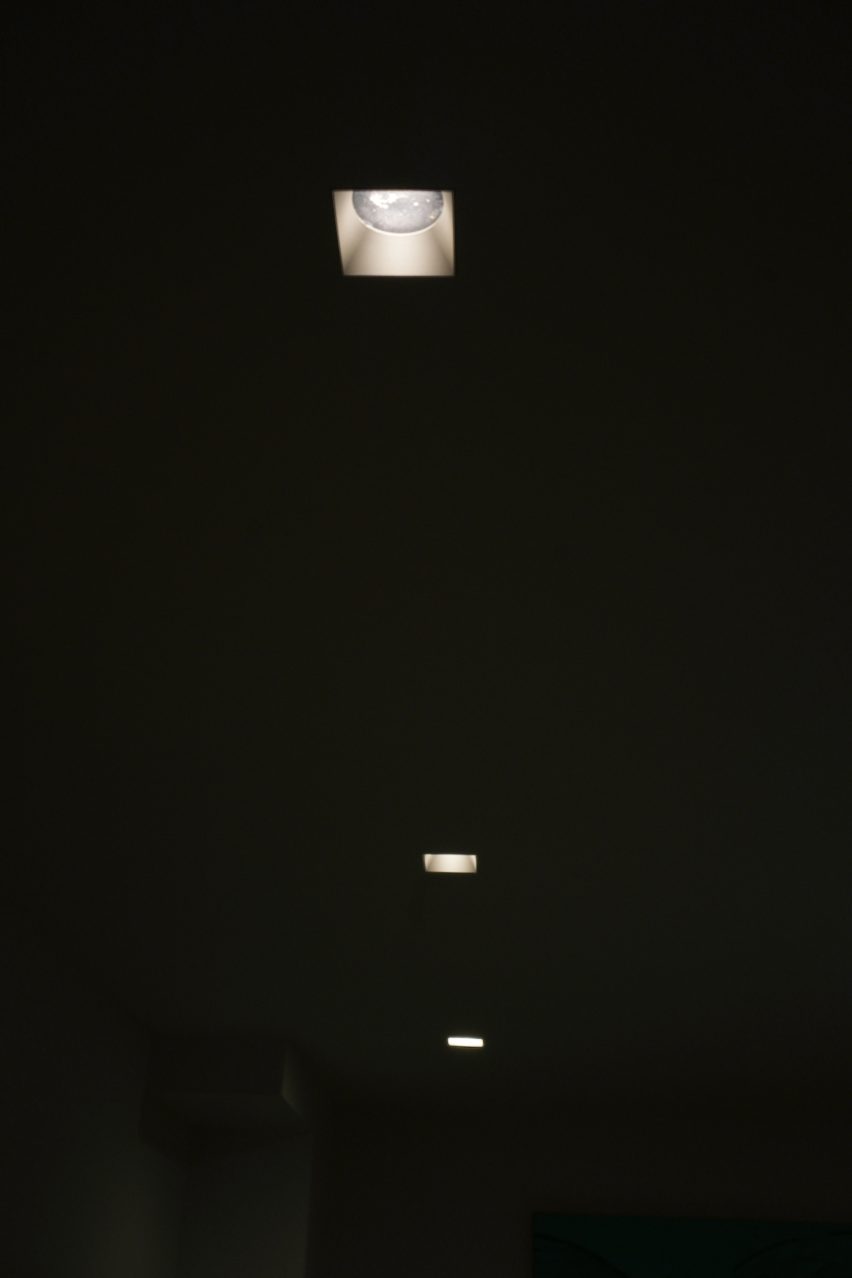
Data shows that approximately 11 million tons of plastic waste enter the ocean globally each year. Discarded fishing nets and plastic threads not only entangle and harm marine life but also decompose into microplastic particles, continuously polluting ocean waters and damaging ecosystems. However, these waste marine plastics are highly malleable and durable, possessing extremely high reuse value after recycling.
Currently, many design and manufacturing sectors worldwide are exploring the recycling potential of marine plastics. The Portuguese design studio Atelier Backlar has used recycled marine plastics to create exterior wall decorations for residences, and the Indonesian studio Space Available has also implemented similar environmentally friendly building projects. Furthermore, recycled marine plastics have widely penetrated into everyday life, from household goods and clothing accessories to office furniture, niche cultural and creative products, and even adult products, opening up a vast avenue for the resource utilization of waste.
