
Light + Building 2026 in Frankfurt highlighted the rapid pace of innovation across the industry. From March 8th to 13th, 2026, 1,927 exhibitors from 49 countries gathered in Frankfurt to showcase a range of advanced technological solutions covering the electrification and digital connectivity of architectural and urban spaces, as well as cutting-edge lighting and design concepts for architecture, urban development, and interior design. Technologies such as artificial intelligence, bidirectional charging, multi-functional interfaces, and connected lighting solutions were prominently featured in numerous products, marking a new stage in the development of architecture, urban design, and lighting design.
During the six-day event, 144,767 visitors from 143 countries attended Frankfurt. International visitors primarily came from China, the Netherlands, Italy, Switzerland, France, Austria, Belgium, the United Kingdom, Spain, and Greece. Due to international air travel restrictions and the current geopolitical situation in the Middle East, some major air hubs, particularly Dubai, experienced temporary disruptions, preventing some visitors from attending as planned. Nevertheless, this exhibition further solidified its strong foundation in Germany and Central and Western Europe, highlighting its important role as a premier international event for industry, technology, planners, and architects.
“Light + Building 2026 in Frankfurt once again demonstrated the innovative spirit and forward-thinking approach of the lighting industry,” said Wolfgang Malzin, President and CEO of Messe Frankfurt. “At the same time, it also showed that face-to-face communication and direct interaction remain crucial in the current situation. Light + Building 2026 brought together people from industry, technical sectors, planning, and design, laying the foundation for dialogue, collaboration, and the exchange of new ideas, thus fulfilling its intended role. This exchange strengthened industry cohesion and provided important impetus for the industry's continued development. The future lies in electrification.”
Light + Building 2026 in Frankfurt concluded successfully with extremely high visitor satisfaction. Overall, 95% of visitors expressed satisfaction with the visit, believing it achieved its intended goals; simultaneously, 95% of visitors positively evaluated the richness of the exhibits.
Building – From Energy Consumer to Active System
In the building sector, Light + Building 2026 in Frankfurt clearly demonstrated how buildings can transform from passive energy consumers into active components of smart energy systems. Smart energy distribution, integrated load and charging management, and bidirectional charging are increasingly connecting buildings, the power grid, and electric vehicles, opening up new opportunities for improved energy efficiency and system stability. At the same time, existing building stock is also a focus: modular, scalable solutions make energy modernization easier and more efficient and economical. Digital planning and operation concepts and multifunctional interfaces simplify installation and use, while safe charging infrastructure and reliable systems for critical applications are increasingly important. In this way, the building industry is driving the next stage of building technology development – aiming to make buildings more integrated, flexible, and future-oriented.
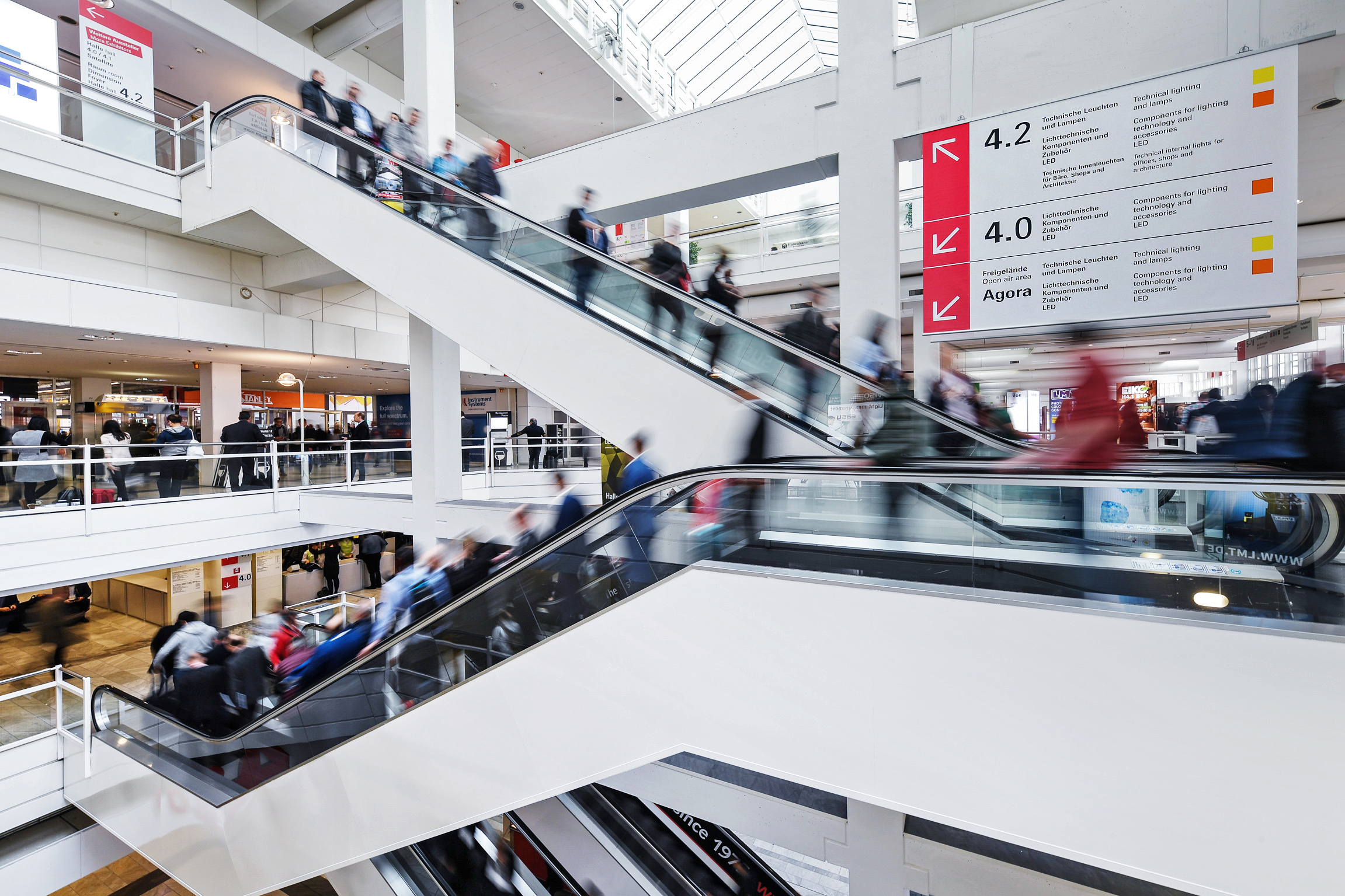
Lighting – Intelligent Control, Atmosphere Creation
In the lighting industry, lighting is increasingly evolving into a data-driven, adaptive system. Sensors, connected luminaires, and AI-powered control systems enable precise, on-demand light distribution, automatically adapting to the presence of people, daylight, and specific usage scenarios. Connected and scalable solutions dominate all application areas, from private residences and hotels to retail, industrial, and urban infrastructure. Meanwhile, light remains a key element in interior architectural design: high-quality luminaires, diverse design languages, and carefully calibrated color temperatures create atmosphere, guide perception, and enhance the quality of space. Sustainable materials, durable components, and circular product design further highlight the industry's long-term prospects. In short, the direction of lighting development clearly points to a new generation of holistic lighting concepts that perfectly blend technological precision with emotional impact.
Design, AI, and Young Talent Lead New Trends
A series of high-quality events also fueled the next phase of innovation. The Design Plaza in Hall 3.1 was the heart of the lighting and design theme. Here, the latest trends in lighting design were outlined, design trends were highlighted, and forward-thinking projects were showcased. The "Women in Lighting" organization also attended the event, promoting international exchange within the lighting industry. The electrical industry set an example and laid the foundation for the "ElektroHeldinnen" initiative, which aims to raise awareness of female practitioners and connect them in a targeted manner. The "Young Design" area also attracted significant attention, with a select group of young designers injecting new vitality into the industry with innovative materials, experimental lighting fixtures, and clear conceptual approaches. The AI Lounge in Hall 9 drew numerous visitors: popular workshops provided practical examples of how AI can elevate planning, operations, and business models in the building technology field to new heights. The new special program, "Light of Life," placed lighting within the context of home, education, work, and communication, illustrating how light creates a sense of direction, shapes emotions, and supports interpersonal interaction, focus, and motivation.
Through the "Electricity Festival," Light + Building Frankfurt further expanded its support for young talent in the electrical industry. A vibrant exchange center in the corridor between Halls 8 and 9 brought together apprentices, skilled technicians, senior electricians, and industry representatives. The area features a "Workshop Street," offering hands-on challenges, occupational safety lectures, and presentations and live content from industry leaders. The activities blend networking, practical experience, and community interaction. Furthermore, a charity event is integrated: visitors contribute miles by riding three bicycles to support charitable causes. The Frankfurt International Lighting and Building Technology Fair collects all the miles and donates €10,000 to the Deutsche Kinderhilfsstiftung (German Children's Aid Fund) to support equal educational opportunities and help children access the learning materials they need for school.
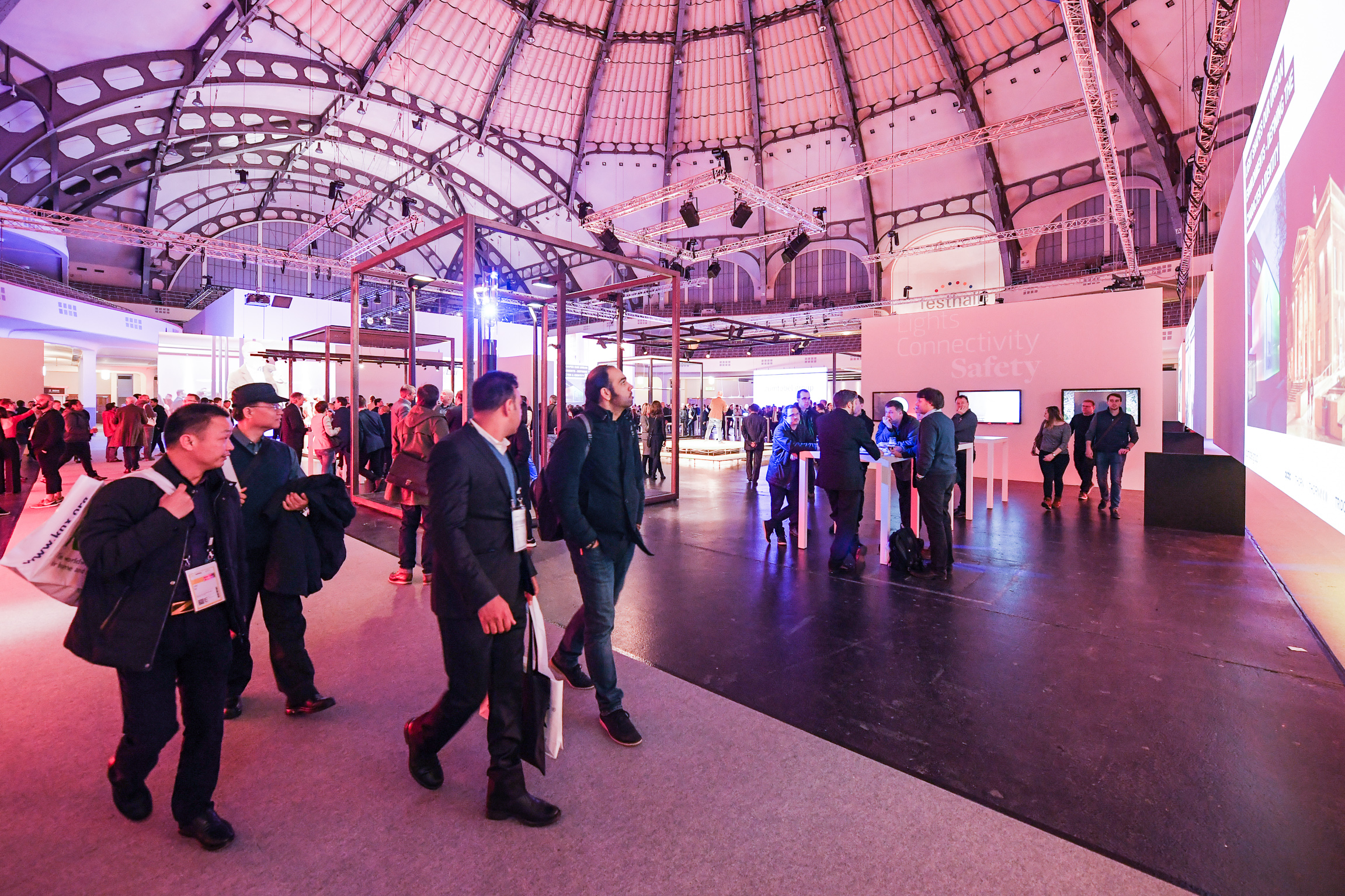
The world's leading trade fair for lighting and building services technologies will be held in Frankfurt from March 5th to 10th, 2028.
